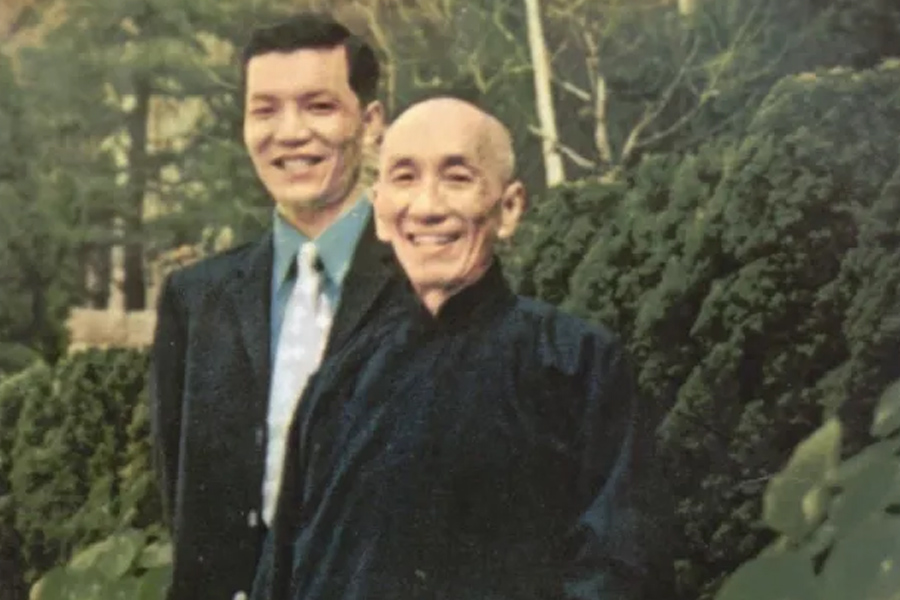
People talk about Ip Man, his students, and his influence on Bruce Lee. Ip Siu-wah, a son who lived privately, receives less notice. His quieter and more nuanced Ip Man family tale is influenced by secrecy, distance, financial hardship, and an ambiguous role in a famed martial arts tradition.
Ip Man and Shanghai Po had Ip Siu-wah in Hong Kong in 1955. A liaison outside Ip Man’s marriage to Cheung Wing-sing produced him. Ip Man did not present Shanghai Po or their son to his primary family like he did with Cheung Wing-sing due to the circumstances.
Public information about Ip Siu-wah is scarce. He did not become a famous Wing Chun teacher, author, actor, or Ip Man spokesperson like his half-brothers Ip Chun and Ip Ching. Brief biographical references and news concerning a 2009 family dispute have covered his life.
Ip Siu Wah’s Early Family Life
Ip Siu-wah was born during Ip Man’s later years in Hong Kong. Ip Man had moved from Foshan to Hong Kong in the late 1940s, where he eventually established a Wing Chun school and taught many students. By the 1950s, his reputation was growing, although his personal circumstances were complicated.
Shanghai-born Shanghai Po was Ip Man’s extramarital partner. Some versions say Ip Man lived in Li Cheng Uk Estate in Hong Kong with wife and their son. Cheung Wing-sing, Ip Man’s wife, had a different family.
Cheung Wing-sing died in Foshan in 1960. Ip Man’s legitimate sons, Ip Chun and Ip Ching, later came to Hong Kong around 1962. By then, Ip Siu-wah was still a young boy. The family branches were not fully integrated, and the emotional distance between them appears to have remained for many years.
Ip Man’s parents were Ip Oi-dor and Ng Shui. Ip Siu-wah was related to Ip Chun and Ip Ching through his father. However, family link did not guarantee recognition. Some branches of the family tree are visible, while others are hidden in this story.
His Relationship With Ip Man
Ip Man reportedly taught Ip Siu-wah Wing Chun. At times, Ip Siu-wah trained with Ip Chun and Ip Ching. Even though he did not become one of Ip Man’s most famous caretakers, this information placed him in his direct teaching line.
Ip Man’s Wing Chun training went beyond physical fitness. Traditional styles include Siu Nim Tao, Chum Kiu, wooden dummy practice, weapon training, footwork and chi sao, or sticking hands. These practices improve balance, sensitivity, timing, and non-strength responses.
However, learning from a famous father does not guarantee public success. Ip Siu-wah appears to have avoided the formal Ip Man family image that arose after his 1972 death. Ip Chun and Ip Ching became senior family leaders, although Ip Siu-wah was hardly mentioned.
His position may have been especially difficult because he was connected to the family but not fully embraced by its public identity. He was close enough to witness the legacy being celebrated, yet distant enough to feel excluded from its rewards and recognition.
The 2009 Dispute With Ip Chun
The most widely reported episode in Ip Siu-wah’s adult life took place in June 2009. At approximately 54 years old, he went to the home of Ip Chun at Ping Shek Estate in Hong Kong. The dispute reportedly concerned profits and royalties connected with films about Ip Man.
The family name gained fame from the Ip Man films. Even though the films were dramatic, they made Ip Man famous worldwide. Ip Siu-wah believed he deserved a share of Ip Man’s legacy’s financial rewards as his son.
Demand refused by Ip Chun. He said his consulting fees were roughly HK$10,000 or little more, not the big profits outsiders might expect. He also mentioned he had given Ip Siu-wah money multiple times over the years and found it difficult to stomach.
The confrontation became dangerous when Ip Siu-wah climbed onto a railing on a 21st floor balcony and threatened to jump. Police were called and eventually rescued him. Reports indicated that he suffered a minor foot injury.
It revealed more than a money dispute. It raised issues of family standing, inheritance, acknowledgement, and ownership of a commercially successful name. Ip Chun may have thought film income was low and expectations unjust. While others openly benefited from their father’s image, Ip Siu-wah may have felt forgotten for years.
Ip Chun’s Wing Chun Legacy
Ip Chun, born Ip Hok-chun on July 10, 1924, was Ip Man’s Wing Chun’s eldest son and a prominent guardian. He trained in Hong Kong after learning from his father in Foshan. His accounting and newspaper reporting background shaped his cautious, analytical approach to martial arts.
Ip Chun taught Wing Chun publicly in 1967. He is known for his controlled, soft, and compassionate attitude. Economy of motion, centerline control, relaxed structure, and practicality were his priorities. His instruction kept the three empty hand forms, wooden dummy, long pole, and butterfly knives of the Ip Man system.
He became an international ambassador for the art, conducting seminars and maintaining connections with students in many countries. His work helped ensure that Wing Chun remained connected to the Ip Man family after Ip Man died in 1972.
Film introduced Ip Chun to more people. He played Ip Man in Bruce Lee: The Man, The Myth (1976). His later work included producing and consulting on Donnie Yen’s Ip Man flicks. He became a link between martial arts and popular culture with his appearances.
His teaching legacy continues through students, academies, seminars, instructional materials, and members of his own family. His sons, including Ip Kong-chiu and Ip Kong-kin, have also continued aspects of the family tradition.
Ip Ching and Other Family Members
Another key player in Wing Chun preservation was 1936-born Ip Ching, Ip Man’s younger legitimate son. He learned Ip Chun from his father and presented it more forcefully and directly. Both brothers taught the same philosophy through different bodies, temperaments, and experiences, therefore this differentiation is not strict.
Ip Ching taught students, participated in seminars, and offered technical knowledge about his father’s methods. He died in 2020, leaving behind a substantial contribution to the global Ip Man lineage.
Ip Man and Cheung Wing-sing also had daughters, commonly identified as Ip Nga-sum and Ip Nga-wun. They have lived much more privately than their brothers. As a result, fewer details about their lives and relationships with Ip Siu-wah are available.
Ip Man unites these family members. His 1893 birth and 1972 death made Wing Chun an international martial art. He taught Bruce Lee and many others who spread the art worldwide.
Ip Siu Wah’s Place in Wing Chun History
Ip Siu-wah’s place in Wing Chun history is unusual. He is connected directly to Ip Man and reportedly received instruction from him, but he did not establish a large school or become a major public teacher. His contribution is therefore less institutional than biographical.
He depicts Ip Man’s personal tale, including the effects of private decisions during social transformation. His life raises problems concerning martial arts lineage recognition. Blood, training, education, public reputation, or legal and financial rights determine inheritance? These solutions have never been simple for the Ip family.
There is little reliable public information about Ip Siu-wah’s wife, children, career, finances, or current activities. He has generally remained out of the spotlight since the 2009 incident. His identity is most often mentioned in relation to Ip Man, Shanghai Po, Ip Chun, and the dispute over film-related royalties.
Frequently Asked Questions
Who was Ip Siu Wah?
Ip Siu-wah was reportedly a son of Ip Man and his Shanghai companion, commonly called Shanghai Po. He was born in Hong Kong around 1955 and is generally described as Ip Chun and Ip Ching’s half-brother.
Did Ip Siu Wah learn Wing Chun from Ip Man?
Reports indicate that he studied Wing Chun with Ip Man and at times trained alongside Ip Chun and Ip Ching. However, he did not become a widely known teacher or representative of the Ip Man lineage.
Who was Shanghai Po?
Shanghai Po was the nickname commonly used for Ip Man’s mistress from Shanghai. She reportedly lived with Ip Man and their son for a period in Hong Kong and died of cancer around 1968.
What happened between Ip Siu Wah and Ip Chun in 2009?
Ip Siu-wah reportedly confronted Ip Chun at his home over profits and royalties connected with Ip Man films. The confrontation escalated when Ip Siu-wah climbed onto a high balcony railing and threatened to jump. Police rescued him.
Was Ip Siu Wah involved in the Ip Man films?
There is no widely documented evidence that he held a major creative or official role in the films. His reported dispute concerned whether he should receive a share of profits or royalties because of his relationship to Ip Man.
How did Ip Chun preserve Ip Man’s legacy?
Ip Chun taught Wing Chun, conducted international seminars, helped maintain traditional forms and training methods, contributed to instructional work, and advised or appeared in films connected with his father’s story.
How was Ip Ching different from Ip Chun?
Both were direct students of Ip Man. Ip Chun was often described as softer and more focused on sensitivity, while Ip Ching was frequently associated with stronger forward pressure and a harder expression of technique.
Is Ip Siu Wah still active in Wing Chun?
Public information about his recent activities is scarce. He has not maintained the same public teaching profile, international presence, or institutional role as Ip Chun and Ip Ching.