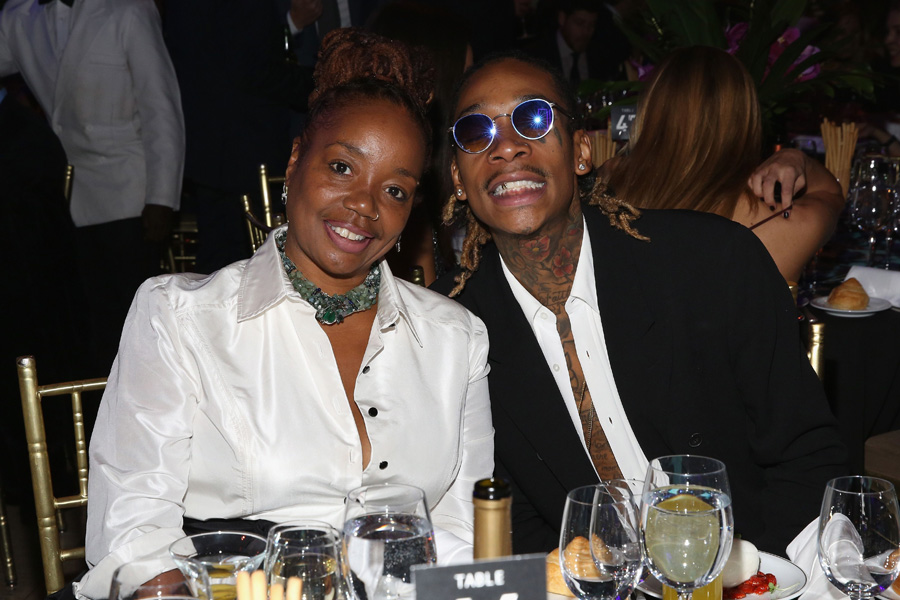
Frequent childhood moves, transgender problems, and supportive relatives who gave her a secure space to express herself influenced her life. Her mother and brother were deeply affected by her 32-year-old death on February 20, 2017. Lala’s tale shows how a life outside the spotlight may have a lasting impact.
Basic Information About Dorien Lala Thomaz
| Detail | Information |
|---|---|
| Full name | Dorien Lala Thomaz |
| Nickname | Lala |
| Date of birth | October 31, 1984 |
| Place associated with her early life | Monessen and the Pittsburgh area, Pennsylvania |
| Nationality | American |
| Gender identity | Transgender woman |
| Mother | Peachie Wimbush-Polk |
| Father | Laurence W. Thomaz |
| Younger sibling | Cameron Jibril Thomaz, known as Wiz Khalifa |
| Half-sister | Lauren Thomaz |
| Nephew | Sebastian Taylor Thomaz |
| Date of death | February 20, 2017 |
| Age at death | 32 |
| Reported cause of death | Lymphoma |
| Known for | Her family connection to Wiz Khalifa and her personal story of courage and identity |
Early Life and Childhood
Dorien Lala Thomaz was born on Halloween, October 31, 1984, to Peachie Wimbush and Laurence W. Thomaz. Her birthday would later become especially meaningful to her family, providing a natural occasion to celebrate her life and preserve her memory.
Lala grew up in a military family. Both of her parents served in the United States Air Force, and their careers required the family to move frequently. During her childhood, she lived in several locations, including Germany, the United Kingdom, Japan, and different parts of the United States.
These experiences exposed her to different communities and ways of life. However, frequent relocation could also make it difficult to maintain friendships and establish a stable sense of belonging. The family eventually became more closely associated with the Pittsburgh area of Pennsylvania.
Lala was the older sibling of Cameron Jibril Thomaz, who later became internationally recognized as Wiz Khalifa. Despite Cameron’s eventual fame, Lala preferred a quieter existence. Her story is not one of pursuing celebrity but of finding her place in a world that did not always make room for her identity.
Understanding Her Gender Identity
Lala began living openly as a woman at approximately 15 years old, around 1999 or 2000. Her decision came during adolescence, a period when many people are already navigating questions about identity, relationships, and acceptance.
Her mother, Peachie Wimbush-Polk, later spoke publicly about recognizing early signs that her child was different. She recalled that Lala eventually introduced herself using a name resembling LaQueen Cinderella, which became shortened to Lala.
For her family, accepting Lala meant learning to understand her experiences and supporting her right to live authentically. Peachie has described her daughter as brave and credited her with helping inspire a broader commitment to LGBTQ+ advocacy.
Lala’s path was not without hardship. She reportedly experienced harassment and discrimination connected to her gender identity. Difficulties at school contributed to her leaving high school, and she was also reportedly involved in a legal dispute concerning bathroom access at a cosmetology school.
These experiences illustrate the barriers that transgender people can encounter when institutions fail to recognize their identities. For Lala, asserting herself required determination at a time when public understanding and acceptance of transgender people remained limited in many communities.
Her Relationship With Her Mother Peachie Wimbush Polk
Peachie Wimbush-Polk was one of the most important people in Lala’s life. Their relationship became a central part of the family’s public story after Lala’s death.
Rather than treating her daughter’s identity as something to conceal, Peachie spoke about the importance of acceptance and the courage required to stand beside a transgender child. She has also discussed the fears parents may experience when their children face discrimination or potential violence.
Lala’s experiences influenced Peachie’s work as an advocate, author, and retreat facilitator. Through public discussions and community initiatives, she has sought to encourage families to provide support rather than rejection.
One particularly meaningful aspect of their relationship was the sense of safety associated with the family home. According to family accounts, it became a refuge not only for Lala but also for LGBTQ+ friends who did not receive the same understanding elsewhere.
After Lala’s death, Peachie continued to celebrate her daughter’s memory through annual Lalaween gatherings around Halloween. The events connect Lala’s birthday with remembrance, family, and community. Peachie has also discussed plans for a CindereLala Foundation intended to support LGBTQ+ youth.
Their relationship demonstrates how acceptance within a family can extend beyond the household. A mother’s willingness to listen, learn, and defend her child can create a welcoming space for others who need it.
Her Father Laurence W Thomaz
Laurence W. Thomaz was Lala’s father and a United States Air Force veteran. His military career contributed to the family’s frequent moves during Lala’s childhood.
Laurence and Peachie eventually divorced when Cameron was young. Although the separation changed the family structure, Laurence remained part of the family’s history and was identified among the relatives connected to Lala.
Compared with Peachie, Laurence maintained a relatively private public profile. Details about his relationship with Lala and his personal views were not widely documented, so it is difficult to describe their bond beyond the available family information.
Laurence died in February 2026, several years after Lala’s passing. Following his death, Wiz Khalifa shared an emotional tribute that referred to his father and Lala being together again.
The message connected two major losses in the family’s history. For relatives who had already experienced Lala’s death, Laurence’s passing brought another occasion to reflect on family relationships, grief, and the people who remain part of their memories.
Her Brother Wiz Khalifa and Their Close Bond
Wiz Khalifa was Lala’s younger full-sibling. Born in 1987, he became a global rapper, singer, and performer.
With songs like “Black and Yellow” and “See You Again,” Wiz Khalifa fused hip hop with melodic influences. He brought fame to his family, but Lala did not pursue a similar profession.
The siblings’ family history included military relocations, parental separation, and growing up together. The bond remained important as Cameron’s career grew.
Wiz publicly mourned Lala’s death in February 2017 as one of his saddest experiences. He also thanked followers for their sorrow and support.
The pain was especially intense because public recognition could not erase the intimate aspect of sibling loss. Wiz saw Lala as more than a biography relative. His childhood and family included her.
Some have linked his emotional outpouring to loss, although his compositions’ inspirations should not be inferred without his confirmation.
The 2026 Wiz tribute to his father propelled Lala back into the spotlight. The moment demonstrated how one family member’s death can affect others for years.
Her Half Sister Lauren Thomaz
Lauren Thomaz was identified as Lala’s surviving half-sister in the family’s obituary information.
Unlike Wiz Khalifa, Lauren has not maintained a prominent public profile connected to the family. Consequently, little reliable information is available about her upbringing, occupation, personal life, or relationship with Lala.
Her inclusion among the surviving relatives nevertheless provides an important reminder that Lala belonged to a wider family network. Not every relative of a famous person chooses public attention, and the absence of extensive information should not be mistaken for an absence of personal significance.
The family’s preference for privacy has also limited the amount of detail available about its internal relationships.
Her Nephew Sebastian Taylor Thomaz
Sebastian Taylor Thomaz, affectionately known as Bash, is the son of Wiz Khalifa and model Amber Rose. Born in 2013, he is Lala’s nephew.
Sebastian was still a young child when Lala died in February 2017. The available public record offers limited detail about their personal interactions, so it would be difficult to reconstruct the nature of their relationship fully.
Nevertheless, Lala’s place in the family connected her to a younger generation. As Wiz Khalifa’s son, Sebastian also belongs to a family whose history includes both public achievements and private experiences of loss.
The distinction matters because celebrity coverage often focuses on famous relatives while overlooking the ordinary bonds that connect generations. In Lala’s case, her role as an aunt formed part of her family identity, even though it was not widely discussed in public.
Education and Challenges in Everyday Life
Lala’s educational experiences were reportedly complicated by discrimination and difficulties associated with her gender identity.
Family accounts indicate that she left high school after encountering challenges during her teenage years. Additional reports describe a legal dispute involving bathroom access at a cosmetology school.
The available information does not establish the complete circumstances or outcome of that dispute. It also does not confirm whether Lala completed cosmetology training or developed a long-term career in the beauty industry.
These limitations are important when describing her life. Rather than presenting unverified details as facts, it is more accurate to recognize that her educational and employment history remains largely undocumented.
Her experiences nevertheless reflect a wider issue. Access to education and vocational training can be affected when transgender students encounter discrimination, exclusion, or institutional barriers. Lala’s reported experiences help illustrate why respectful treatment and clear protections matter.
Career, Financial Status, and Personal Achievements
Unlike her brother, Lala did not become a public entertainer or widely recognized professional figure. There is little verified information about her employment history, income, business activities, or financial assets.
No reliable public estimate of her net worth is available. Any specific financial figure presented as fact would therefore be speculative.
The reported connection to a cosmetology school suggests that she may have considered or pursued training in the beauty field, but the extent of her involvement is unclear. There is insufficient information to identify a confirmed long-term profession.
Her life can still be understood through achievements that were not measured by public recognition or financial success. She lived openly as a transgender woman, navigated difficult social circumstances, and maintained relationships with people who mattered to her.
Her mother has also described Lala as a source of inspiration for her advocacy. That influence became part of a wider effort to help LGBTQ+ young people find the acceptance and safety that Lala’s family worked to provide.
In this sense, Lala’s legacy is rooted less in a conventional career and more in the personal impact she had on those closest to her.
Personality and Private Life
Lala deliberately maintained a relatively low profile. She did not cultivate a major public social media presence, and there is limited information about her hobbies, friendships, romantic relationships, or everyday routines.
One person who reportedly attended high school with her in Japan remembered her as bubbly, funny, and full of life. Although a single recollection cannot describe an entire personality, it offers a glimpse of the person behind the limited public record.
Her life was more than the difficulties she encountered or the family members who later spoke about her. Like anyone else, she had her own humor, preferences, relationships, and private experiences, many of which were never documented publicly.
There is no established public information indicating that Lala had a spouse, long-term partner, or children of her own.
Respecting those gaps is part of telling her story responsibly. Her preference for privacy should not be treated as an invitation to fill missing details with speculation.
Death and the Family’s Grief
Dorien Lala Thomaz died on February 20, 2017, at the age of 32. According to later statements from her mother, she died peacefully with Peachie by her side.
Peachie subsequently identified lymphoma as the cause of death. She also described Lala’s decision to decline aggressive medical interventions, emphasizing her daughter’s wishes and dignity. Publicly available information does not provide a complete medical history, and the details of her treatment should therefore be understood through the family’s account.
The family arranged private funeral services, reflecting its desire to grieve away from public attention.
News of Lala’s death prompted expressions of sympathy for Peachie, Wiz Khalifa, and their relatives. Wiz’s public acknowledgment of his grief offered a rare glimpse into the personal pain behind his celebrity status.
For Peachie, the loss became part of a continuing effort to speak about the experiences of transgender people and the importance of family acceptance. Rather than allowing Lala’s memory to remain confined to a tragic event, she used her story to encourage conversations about dignity, safety, and belonging.
Lalaween and Her Lasting Legacy
The family recalls Lala most fondly through Lalaween, a Halloween and October 31 birthday party.
The celebration turns a holiday date into a chance to commemorate Lala. It also shows the family’s desire to remember her as a whole person, not just her death.
Peachie’s campaign has highlighted LGBTQ+ youth’s experiences, especially those without home or community support. Her discussions of a CindereLala Foundation show her willingness to help people through grief.
The family and Wiz Khalifa remember Lala’s influence. Her story shows that one can influence others without fame or a vast public archive.
Her legacy is important for transgender acceptance, family support, and letting people live their identities. The family house that apparently welcomed LGBTQ+ friends shows how private acts of caring may create safe spaces.
Frequently Asked Questions
Who was Dorien Lala Thomaz?
Dorien Lala Thomaz was an American transgender woman best known as the older sibling of rapper Wiz Khalifa. She lived a largely private life and became publicly known primarily through family accounts of her life, identity, and death.
When was Dorien Lala Thomaz born?
She was born on October 31, 1984. Her birthday coincided with Halloween, a date her family later used for annual Lalaween remembrance gatherings.
Who were Dorien Lala Thomaz’s parents?
Her parents were Peachie Wimbush, later known as Peachie Wimbush-Polk, and Laurence W. Thomaz. Both served in the United States Air Force during their lives.
Was Dorien Lala Thomaz related to Wiz Khalifa?
Yes. Lala was Wiz Khalifa’s older full sibling. His birth name is Cameron Jibril Thomaz, and he was born in 1987.
Was Dorien Lala Thomaz transgender?
Yes. Lala was a transgender woman who began living openly as a woman at approximately 15 years old. Her mother publicly discussed supporting her identity and described her courage as an inspiration for LGBTQ+ advocacy.
Did Dorien Lala Thomaz have children?
There is no established public information indicating that Lala had children of her own. She was the aunt of Sebastian Taylor Thomaz, the son of Wiz Khalifa and Amber Rose.
What was Dorien Lala Thomaz’s cause of death?
Her mother later identified lymphoma as the cause of death. Lala died on February 20, 2017, at the age of 32, with her mother by her side.
Did Dorien Lala Thomaz have a career?
Her professional history is not well documented. She was reportedly involved in a legal matter concerning bathroom access at a cosmetology school, but there is insufficient information to establish a completed qualification or long-term career.
What was Dorien Lala Thomaz’s net worth?
No reliable public estimate of her net worth is available. She did not maintain a widely documented public career or disclose financial information.
How does her family remember her?
Her family remembers her through personal tributes, public interviews, and Lalaween gatherings around her birthday. Her mother has also discussed LGBTQ+ advocacy initiatives inspired by Lala’s life.
What happened to her father Laurence W Thomaz?
Laurence W. Thomaz died in February 2026. Wiz Khalifa’s tribute referenced both his father and Lala, connecting the family’s more recent loss with the earlier death of his older sibling.
Why is Dorien Lala Thomaz remembered today?
Lala is remembered for her courage in living openly as a transgender woman, her close family relationships, and the influence her life had on her mother’s advocacy. Although much of her personal history remains private, her story continues to highlight the importance of acceptance, dignity, and support for LGBTQ+ people.